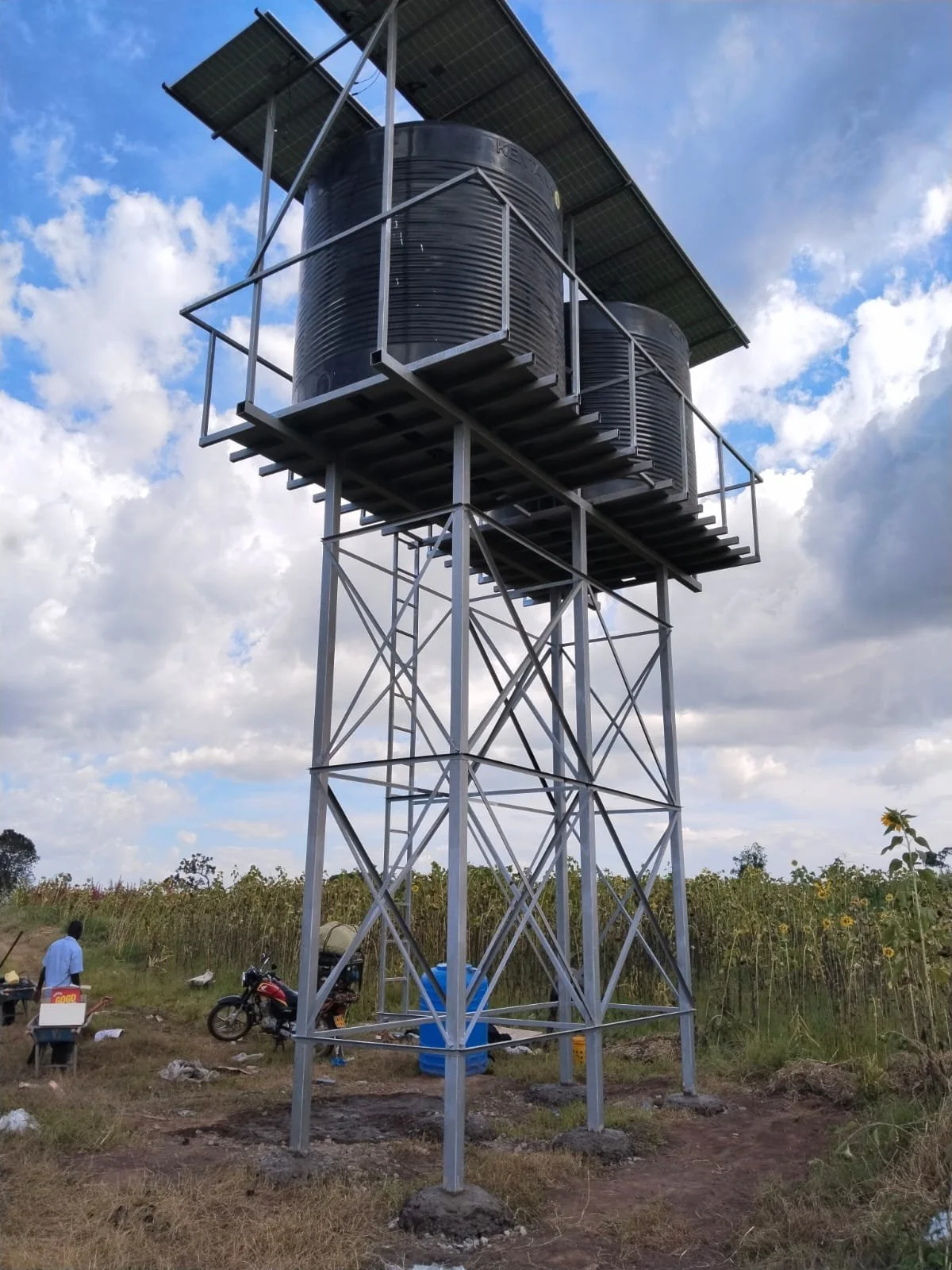
Clean Water Well Project
(We urgently need your help)
Access to clean water is one of the greatest challenges facing the community of Ngosuani. Today, none of the households have reliable access to safe drinking water or adequate sanitation facilities, resulting in widespread illness and preventable disease. Waterborne diseases such as typhoid, along with livestock-related illnesses like brucellosis, are especially common among children and are a major reason many students are unable to attend school regularly.
These life-threatening conditions can be significantly reduced through access to clean water, improved sanitation, and education on safe hygiene and food preparation practices.
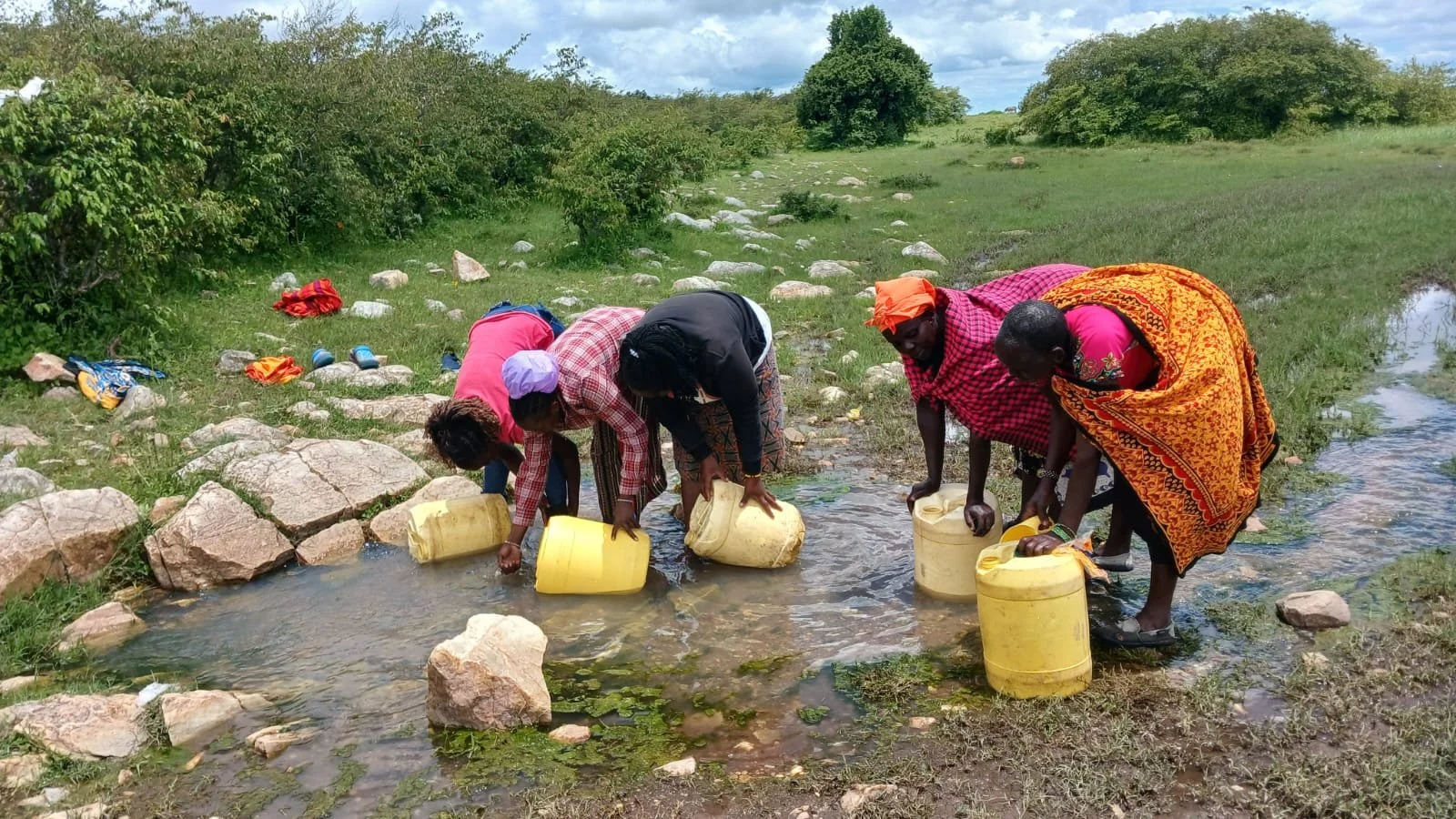
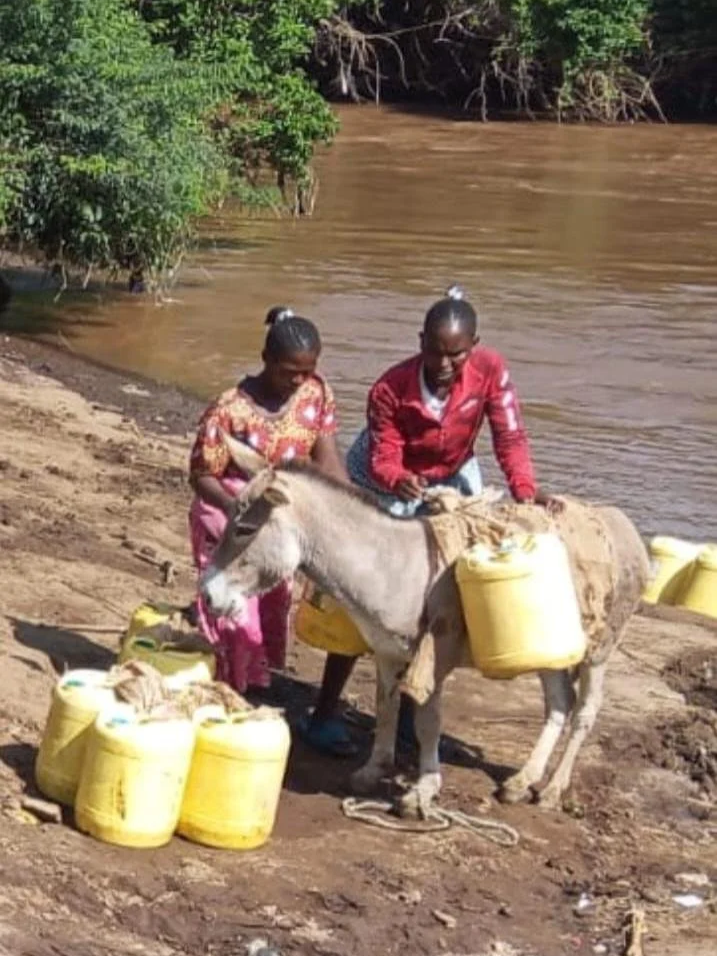
Currently, the nearest water source is more than 12 kilometers (approximately 10 miles) from the village. Women and girls spend six to eight hours each day walking to collect water, often waiting in long lines because the source serves multiple surrounding communities. This daily burden prevents mothers from caring for their families, limits opportunities for income-generating activities, and contributes to low school attendance and high dropout rates among girls.
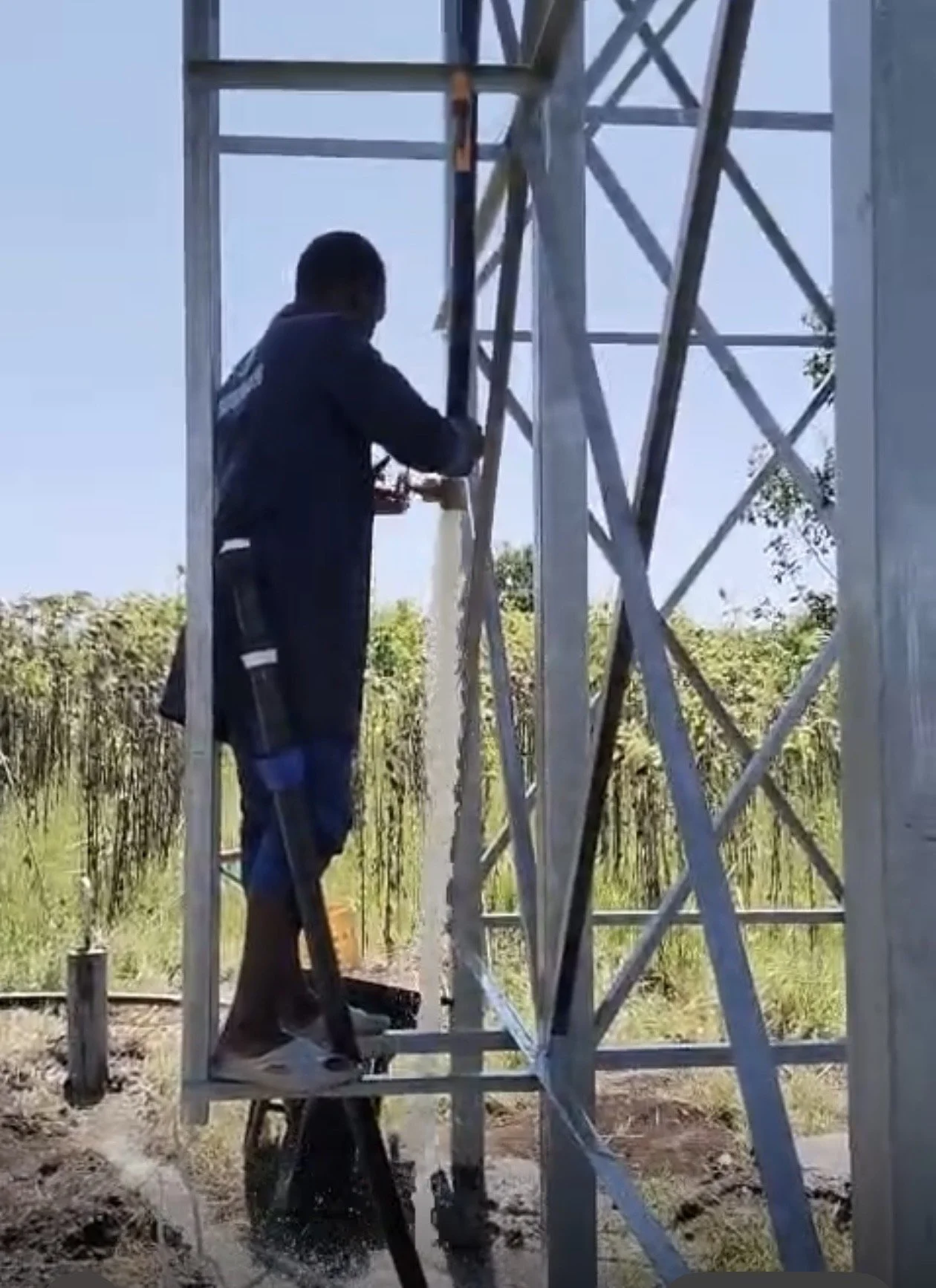
To address this urgent need, the team at Today B4 Tomorrow conducted a full on-site analysis and confirmed a sustainable underground water source at a depth of 250 meters. Because the water supply has already been verified, additional exploratory drilling will not be necessary, allowing the project to move forward efficiently and cost-effectively.
The new well will be located just 150 meters from the Ngosuani community in Lemek, dramatically improving access to safe water for local families. Built with durable, non-corrosive metal piping, the well is designed to provide clean, reliable water for more than 500 people for over 20 years.
Most importantly, this project can be completed in as little as three weeks, creating an immediate and lasting impact on the health, education, and future of the entire community.
By supporting this project, donors will help provide more than water — they will provide children with better health, girls with greater access to education, and families with renewed hope and opportunity for generations to come.